

Ransomware Defense Strategies for Small and Medium Businesses
- Shilpi Mondal

- Jul 26, 2025
- 3 min read
SHILPI MONDAL| DATE: APRIL 29,2025

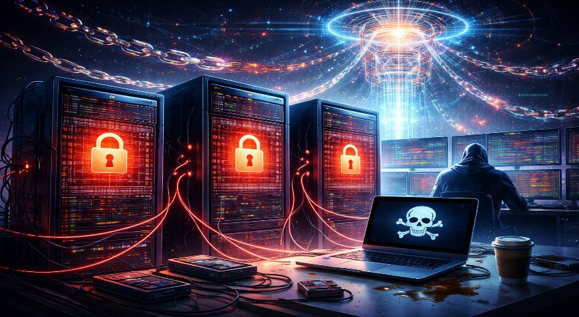
In today's digital landscape, ransomware has emerged as a formidable threat to small and medium-sized businesses (SMBs). Cybercriminals exploit vulnerabilities to encrypt critical data and demand substantial ransoms for its release. For SMBs, such attacks can be devastating, leading to operational disruptions, financial losses, and reputational damage. Implementing robust ransomware protection strategies is essential for small and medium-sized businesses to prevent attacks and ensure effective data recovery solutions.
Understanding the Ransomware Threat
Ransomware encrypts data and demands a ransom for decryption, with SMBs being especially at risk due to limited cybersecurity resources. The rise of Ransomware-as-a-Service (RaaS) has made it easier for attackers to launch sophisticated campaigns, increasing the frequency and severity of attacks.
Comprehensive Ransomware Defense Strategies
To safeguard your SMB against ransomware, consider the following multi-layered approach:
Employee Training and Awareness
Security breaches are often caused by human error. Implementing regular cybersecurity training programs helps employees recognize phishing attempts and other malicious activities. Simulated phishing exercises can reinforce learning and improve vigilance.
Regular Data Backups
Adopt the 3-2-1 backup strategy: maintain three copies of your data, on two different media, with one copy stored offsite. Regularly test backups to ensure data integrity and quick recovery in case of an attack.

Implement Multi-Factor Authentication (MFA)
MFA enhances security by requiring multiple verification steps, greatly reducing the risk of unauthorized access from compromised credentials.
Keep Systems and Software Updated
Keep all software, applications, and operating systems updated to fix known vulnerabilities. Automated patch management systems can streamline this process, ensuring timely updates.
Network Segmentation
Dividing your network into separate segments can contain the spread of ransomware, limiting its impact. Improve security by implementing strict access controls between segments.
Utilize Advanced Security Tools
Deploying tools like Endpoint Detection and Response (EDR), Extended Detection and Response (XDR), and Security Information and Event Management (SIEM) systems can provide real-time threat detection and response capabilities. These tools offer comprehensive visibility into network activities, aiding in early detection and mitigation of threats.
Develop an Incident Response Plan
A well-defined incident response plan enables a swift and organized reaction to ransomware attacks. The plan should outline roles, communication strategies, and recovery procedures to minimize downtime and data loss.
Conduct Regular Security Assessments

Periodic security audits and vulnerability assessments help identify and remediate potential weaknesses in your cybersecurity posture. Engaging with cybersecurity experts or managed service providers can provide valuable insights and recommendations.
Leveraging Professional Cybersecurity Services
Partnering with a reputable cybersecurity company or managed service provider (MSP) can enhance your organization's security framework. These professionals offer services such as:
Cybersecurity training for employees:
Educating employees on cybersecurity best practices empowers them to recognize and prevent threats like phishing and malware, reducing the risk of breaches caused by human error.

Vulnerability assessments and penetration testing:
Regular assessments identify potential security weaknesses, while penetration testing simulates real-world attacks to evaluate the effectiveness of existing defenses.
Implementation of cybersecurity compliance requirements:
Adhering to industry-specific cybersecurity regulations ensures the protection of sensitive data and helps avoid legal penalties.
Managed detection and response services:
These services provide continuous monitoring and rapid response to security incidents, offering SMBs expert protection against evolving cyber threats.
Secure email solutions:
Utilizing encrypted and secure email platforms safeguards business communications from interception and phishing attacks.
Data protection and recovery solutions:
Implementing robust data backup and recovery strategies ensures business continuity by protecting against data loss from cyber incidents or other disruptions.
Engaging with top MSP companies ensures access to the latest security technologies and expertise, tailored to the unique needs of SMBs.
Conclusion
Ransomware attacks are a major threat to small and medium businesses. By implementing comprehensive ransomware protection strategies, including employee training, regular data backups, advanced security tools, and professional cybersecurity services, SMBs can significantly reduce their risk and enhance their resilience against cyber threats. Proactive measures not only protect critical data but also ensure business continuity in the face of evolving cyber threats.
Citations:
Ransomware protection for small businesses: How to stay safe. (2024, November 27). https://www.k9cybersecurity.com/the-rise-of-ransomware-how-small-businesses-can-stay-protected
Mba, J. F. (2024, August 28). 10 ways to protect your small business from ransomware. PurpleSec. https://purplesec.us/learn/protect-small-business-ransomware/
Hesse, K. (n.d.). Comprehensive Guide to Mitigating Ransomware Attacks: Strategies and steps. SBS CyberSecurity. https://sbscyber.com/blog/top-six-controls-to-mitigate-a-ransomware-attack
Goriel, N. (2017, May 18). 14 Tips to Protect Your Business from Ransomware Attacks. U.S. Small Business Administration. https://www.sba.gov/blog/14-tips-protect-your-business-ransomware-attacks
Chachak, E. (2024, December 7). Protecting Your Business from Ransomware Attacks: Best Practices and Strategies. CyberDB. https://www.cyberdb.co/protecting-your-business-from-ransomware-attacks-best-practices-and-strategies/
Image Citations:
Plurilock Security, Inc. (2024, February 15). Multi-factor Authentication (MFA) - Plurilock. Plurilock. https://plurilock.com/deep-dive/multi-factor-authentication-mfa/
Lyons, D. (2025, February 6). How a cyber security assessment helps small businesses prevent threats. Iserv. https://www.iservworks.com/post/how-a-cyber-security-assessment-helps-small-businesses-identify-and-fix-vulnerabilities/


Comments